
Map the site
List the areas actually included: reception, offices, meeting rooms, kitchens, bathrooms, common areas, stairs, lifts, storage or other spaces. Note any tenant or restricted areas that are excluded.
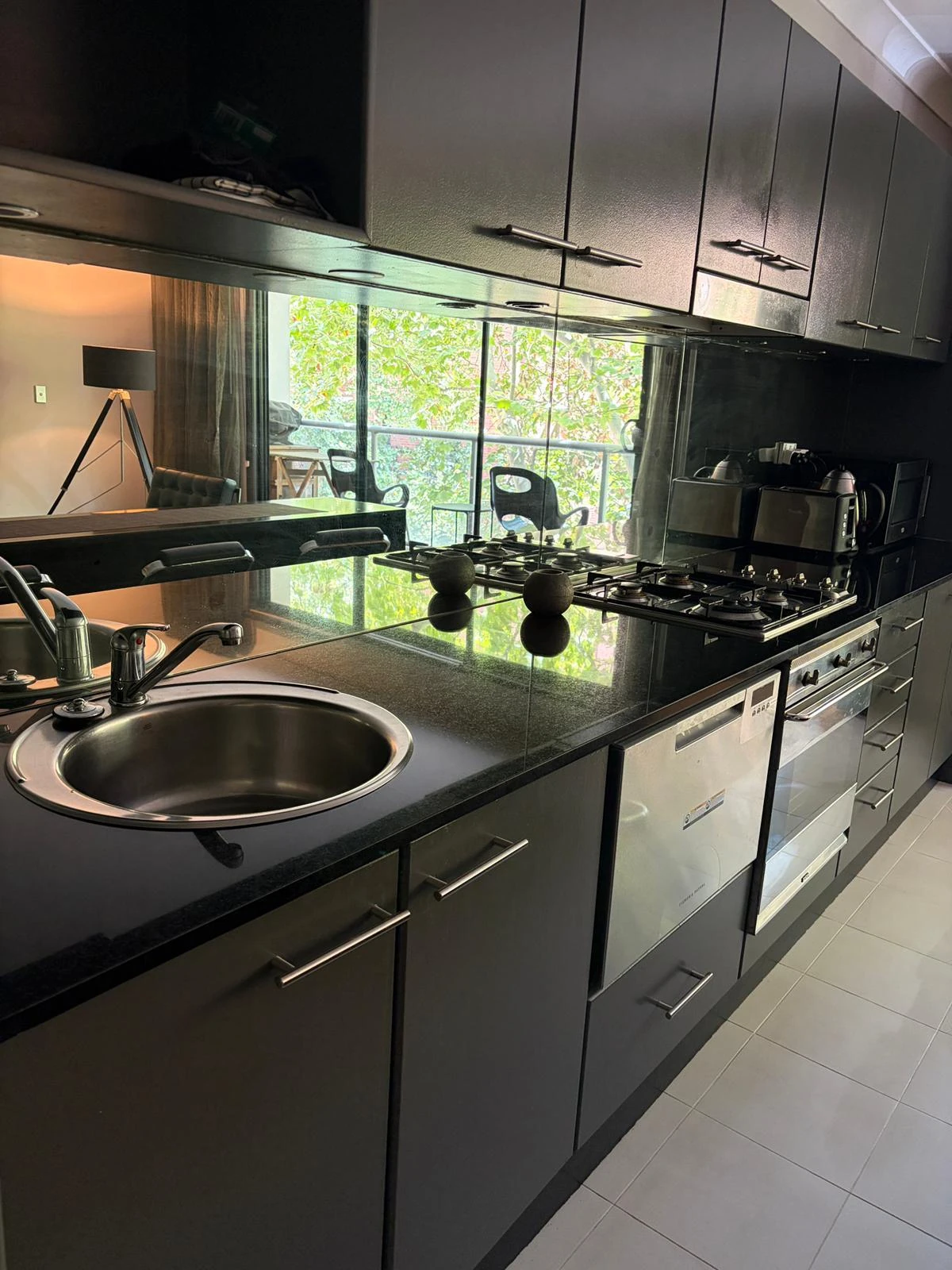
Record approximate floor types, bathroom count, kitchen facilities, waste points and any areas that consistently need more attention.
Set the cleaning frequency
Different tasks need different frequencies. Bins and bathrooms may require every visit; glass, skirting, vents or detailed edges may be rotated on a weekly or monthly schedule.
A written frequency matrix prevents low-visibility tasks from either being forgotten or unnecessarily repeated every service.
Access and security
Confirm alarm procedures, keys, concierge instructions, lift access, loading zones, parking and the permitted cleaning window. Do not send passwords or alarm codes through an unsecured enquiry form.
If cleaners work after hours, identify emergency contacts and any sign-in or site induction requirements before the first visit.
Consumables and equipment
Define who supplies bin liners, paper products, hand soap, dishwasher products and other consumables. If stock monitoring is required, agree on how low-stock alerts are reported.
Clarify whether specialist equipment is needed for floor care, high glass, external areas or other tasks outside normal office cleaning.
Quality control
Use a fixed scope and a simple reporting path. When the same site is cleaned repeatedly, quality becomes easier to measure because everyone is working against the same checklist.
For issues, record the location and task rather than sending a vague complaint. Starshine’s 48-hour re-clean process is designed around agreed scope items that need review.
Need help with the actual clean?
Use the Starshine quote form with the service, suburb, property details and timing. Straightforward residential work may receive an indicative estimate; complex or site-based work is reviewed against the real scope before final pricing.
Get a quote